The Mara is spectacular year-round, but knowing the seasons will help you plan the perfect safari for your interests and budget.
The Masai Mara is extraordinary at any time of year — but knowing when to go and what to expect in each season can transform a great safari into a truly unforgettable one. Whether you're chasing the Great Migration river crossings, searching for newborn wildlife, or simply seeking the best value for your budget, this guide covers everything you need to know about the best time to visit the Masai Mara.
The Masai Mara's Two Main Seasons
Kenya has a tropical climate governed largely by two wet seasons and two dry seasons. For Mara visitors, this translates to two main safari seasons: the dry season, which offers the classic golden-grass safari imagery and peak wildlife concentration; and the green season, which brings lush landscapes, fewer tourists, and some extraordinary wildlife events of its own.
July to October: Peak Dry Season (Best for Migration)
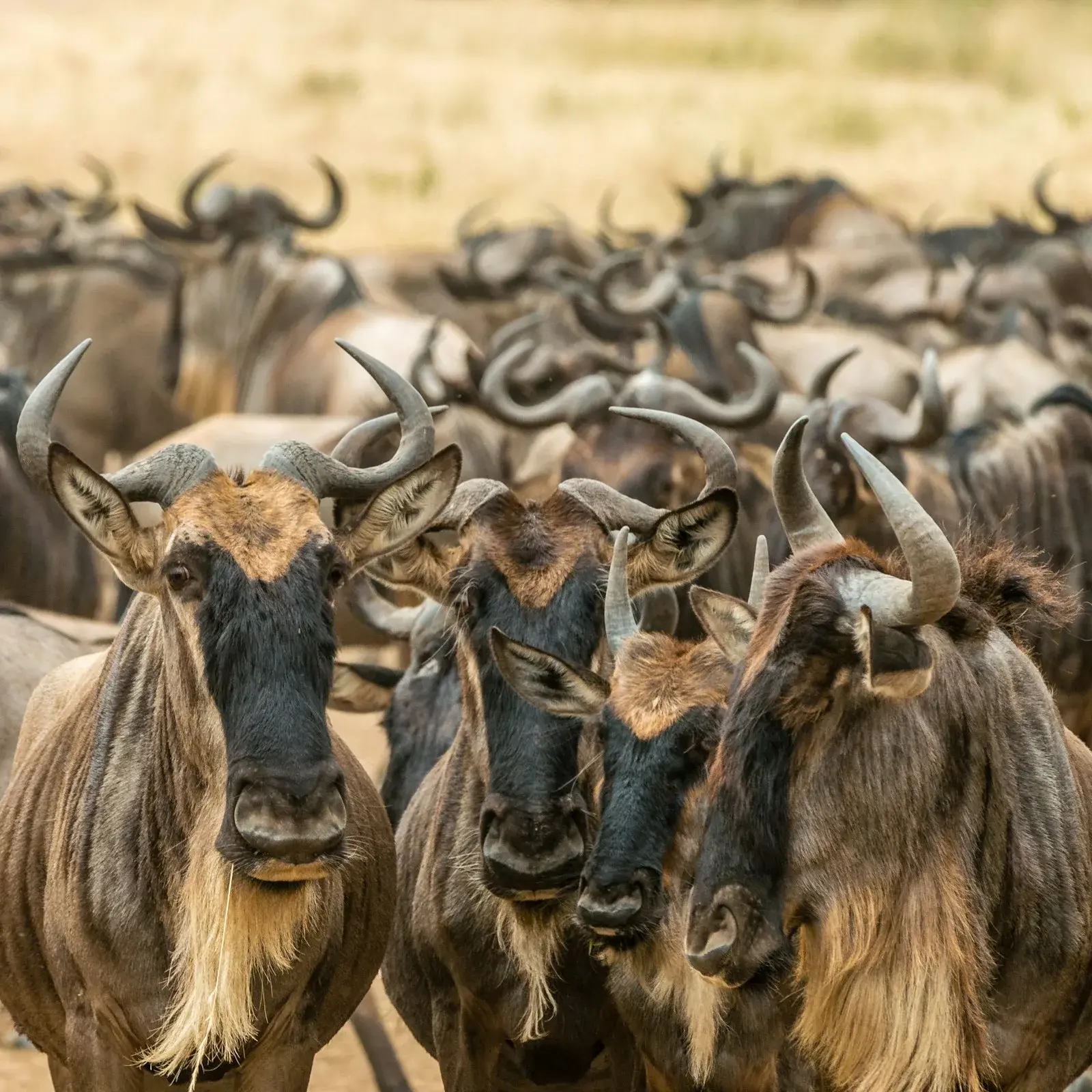
This is undeniably the Mara at its most dramatic. The Great Wildebeest Migration is in full swing, with enormous herds crossing the Mara River in scenes that have made the reserve world-famous. Wildlife viewing is at its peak: the vegetation is dry and sparse, making animals easy to spot, and the concentration of predators following the migration herds is extraordinary.
- Great Migration river crossings at their most frequent (Aug–Sep are peak)
- Clearest skies and coolest temperatures — ideal for photography
- Highest concentration of lions, cheetahs, leopards, and hyenas
- Over 500 bird species including migrants from the Northern Hemisphere
- Balloon safaris operate daily with the best visibility
The trade-off: this is also peak season for tourism. Prices are at their highest, and the most popular crossing points can become busy with vehicles. Book well in advance and choose a camp in the Mara Triangle or on the river's edge to secure the best positions.
January to February: Short Dry Season (Excellent Value)
January and February offer some of the best value on the Masai Mara safari calendar. The short dry season brings excellent game viewing conditions, clear skies, and lower visitor numbers than the July–October peak. The wildebeest are calving in the southern Serengeti at this time, but resident wildlife in the Mara — including the lion prides, elephant herds, and cheetahs — is highly active.
This is also an excellent period for bird watching, with European migrants swelling the Mara's already impressive bird count. Many of our guests prefer this window specifically because it combines excellent wildlife with more affordable rates and a less crowded reserve.
November to December: Green Season Begins
November marks the start of the short rains, and while morning downpours can occasionally disrupt game drives, the Mara transforms into a lush, photogenic landscape. Rates drop by 20–40% at most lodges, and the reserve feels much more exclusive. Wildlife viewing remains good — the predators are always present, and the absence of migration herds actually makes it easier to find the big cats without competition from other vehicles.
April to June: Long Rains (Budget Season)
The long rains (April–June) bring the lowest prices and the fewest visitors. Some camps and lodges close during this period. Roads can become difficult, and vegetation can obscure wildlife. However, the Mara is never entirely closed, and for intrepid travellers on a budget who don't mind occasional rain, this window offers genuine value. The landscape is dramatically beautiful, and predator activity continues year-round.
Masai Mara Season Summary Table
- July – October: Peak season. Great Migration. Best river crossings. Highest prices. Book 6+ months ahead.
- January – February: Short dry season. Excellent game viewing. Lower crowds. Great value.
- November – December: Green season begins. Lush scenery. 20–40% lower rates. Fewer tourists.
- April – June: Long rains. Budget prices. Some lodge closures. Roads may be challenging.
What Temperature to Expect in the Masai Mara
The Masai Mara sits at around 1,500 metres above sea level, which keeps temperatures pleasantly moderate year-round. Daytime temperatures typically range from 22°C to 30°C (72°F–86°F), while early mornings and evenings can drop to 12°C–15°C (54°F–59°F). Always pack a light fleece or jacket for morning game drives, regardless of the season.
Which Masai Mara Safari Package is Right for You?
At Entamis Tours & Safari, we offer a range of Masai Mara packages designed for different budgets and travel styles — from our Famous Mara Experience (our most popular mid-range package) to our Masai Mara Prestige exclusive safari. Whatever season you choose to visit, we'll build an itinerary that makes the most of what the Mara is offering at that time of year.
There is no 'wrong' time to visit the Masai Mara. Every season has its magic — you just need to know where to look.
Contact our team today to discuss the best Masai Mara package for your dates and travel style. We're based in Nairobi and available 7 days a week.
Ready to experience Kenya's wild places?
Let our expert team craft your perfect safari — tailor-made for you.